The Right Pump, Properly Installed, Makes All the Difference
Licensed PlumbersSingapore-wide
24/7 Emergency Ready
Service Overview
The Right Pump, Properly Installed, Makes All the Difference
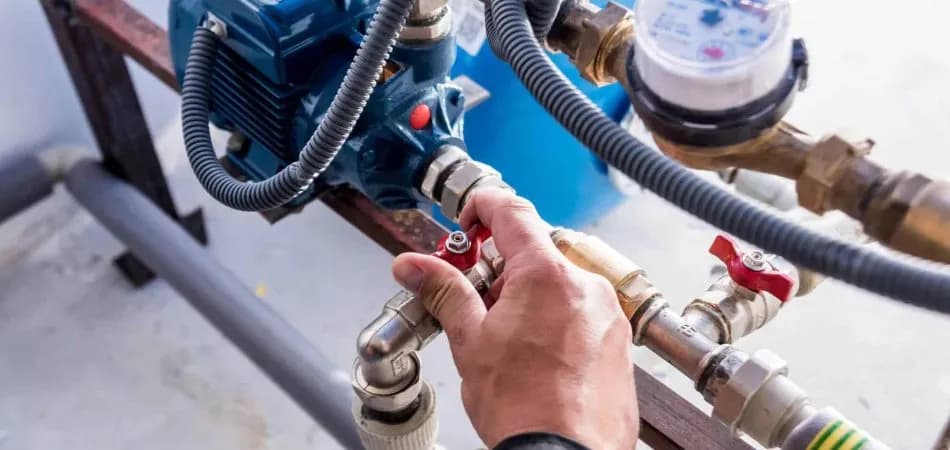
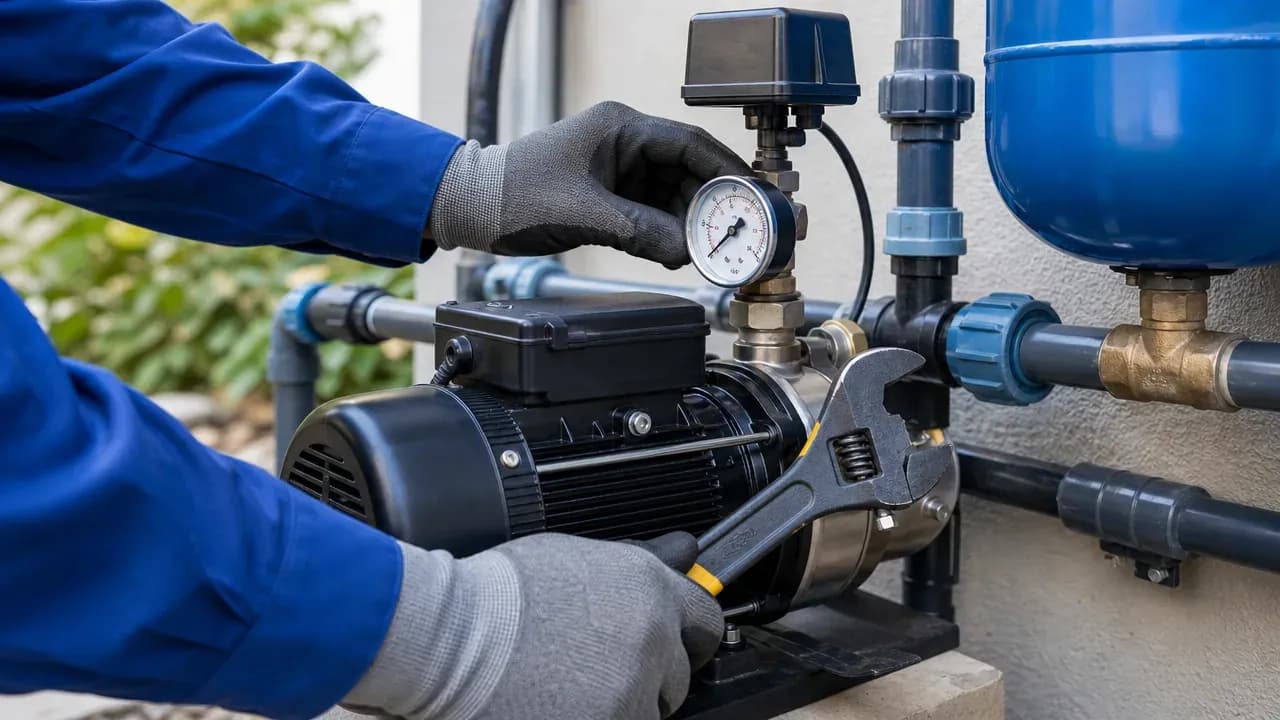
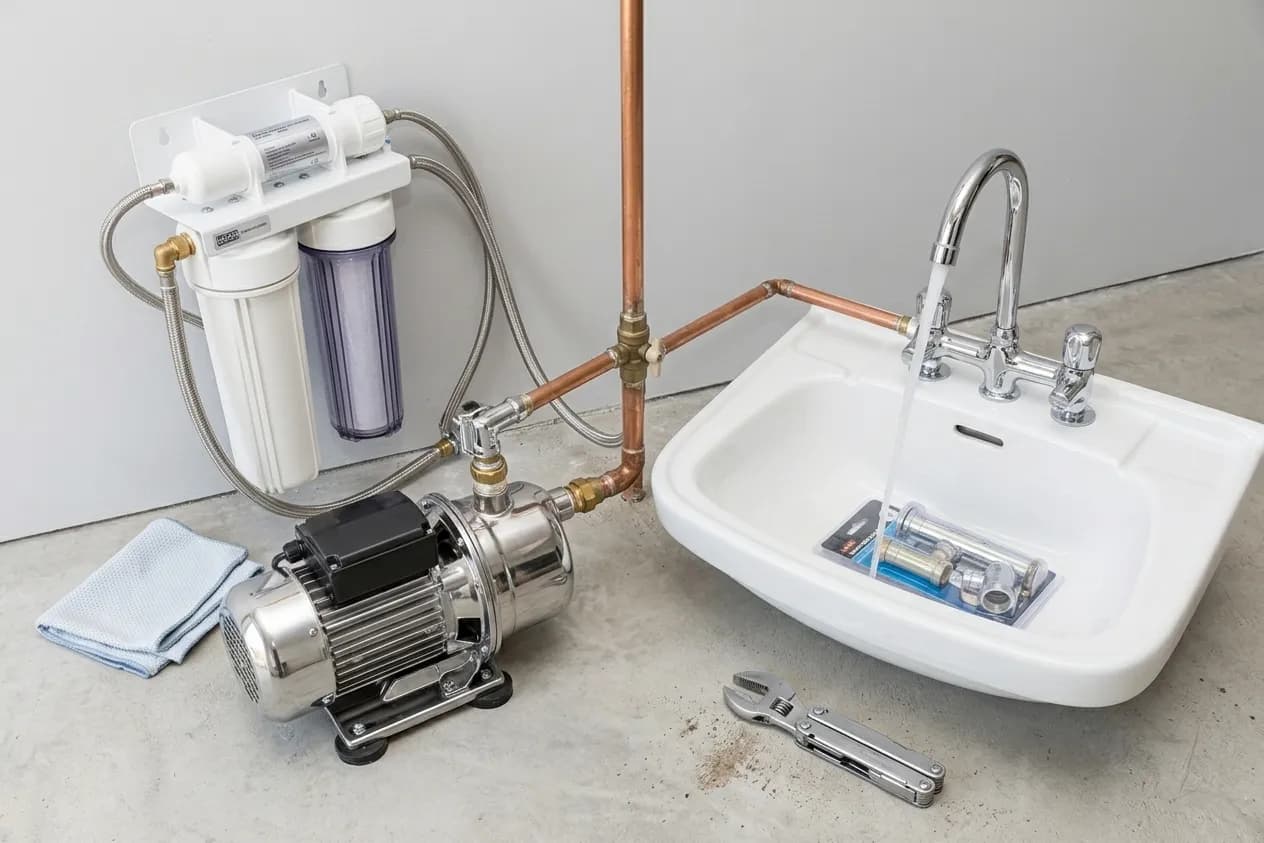
Low water pressure stems from pipe size, valves, filters, or worn pumps. We assess your setup to repair or install the right pump for quiet, durable performance.
Assessment of existing pressure and flow before recommending a pump
Pump sized to your fixtures and daily usage
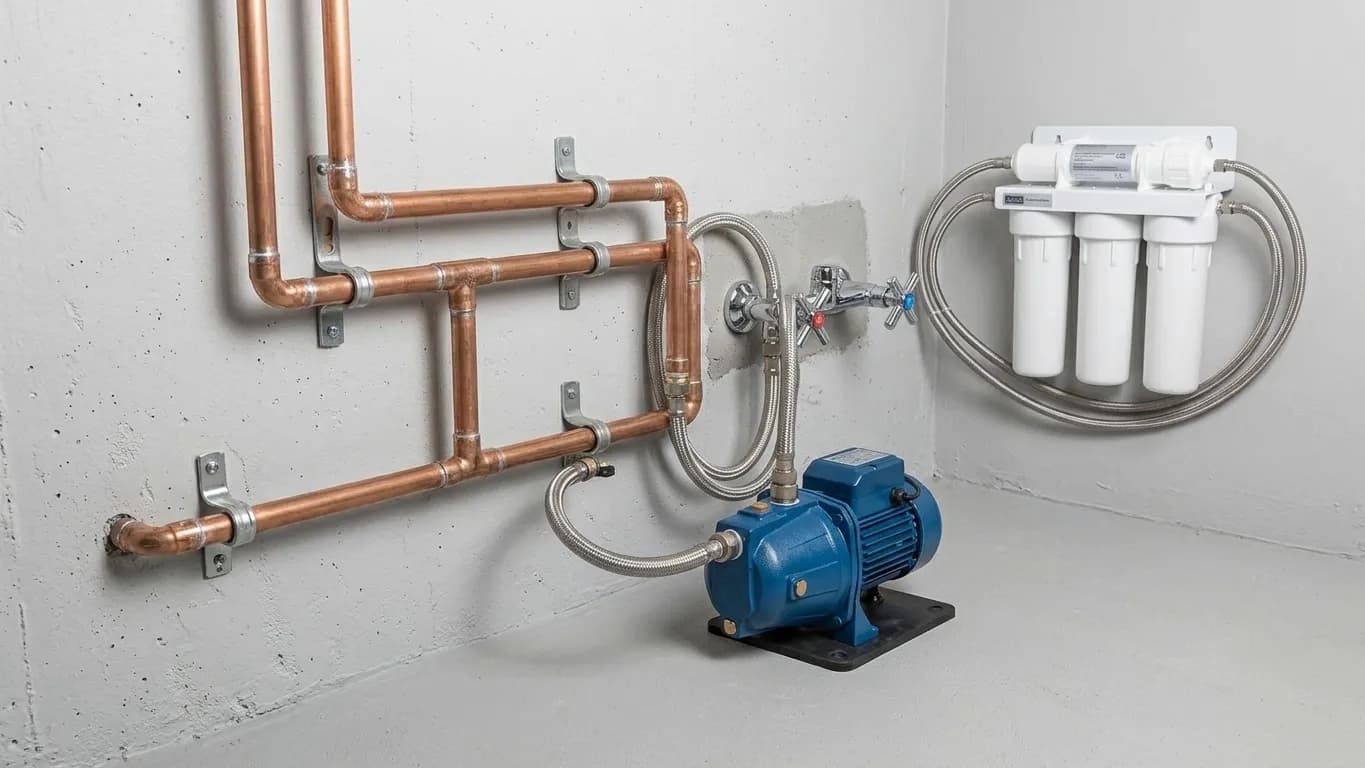
Proper installation with isolating valves and unions
Vibration-reducing mounting to limit noise
Electrical connection coordinated with a qualified electrician where required
Witness the visible, proof-backed changes our clients experience.
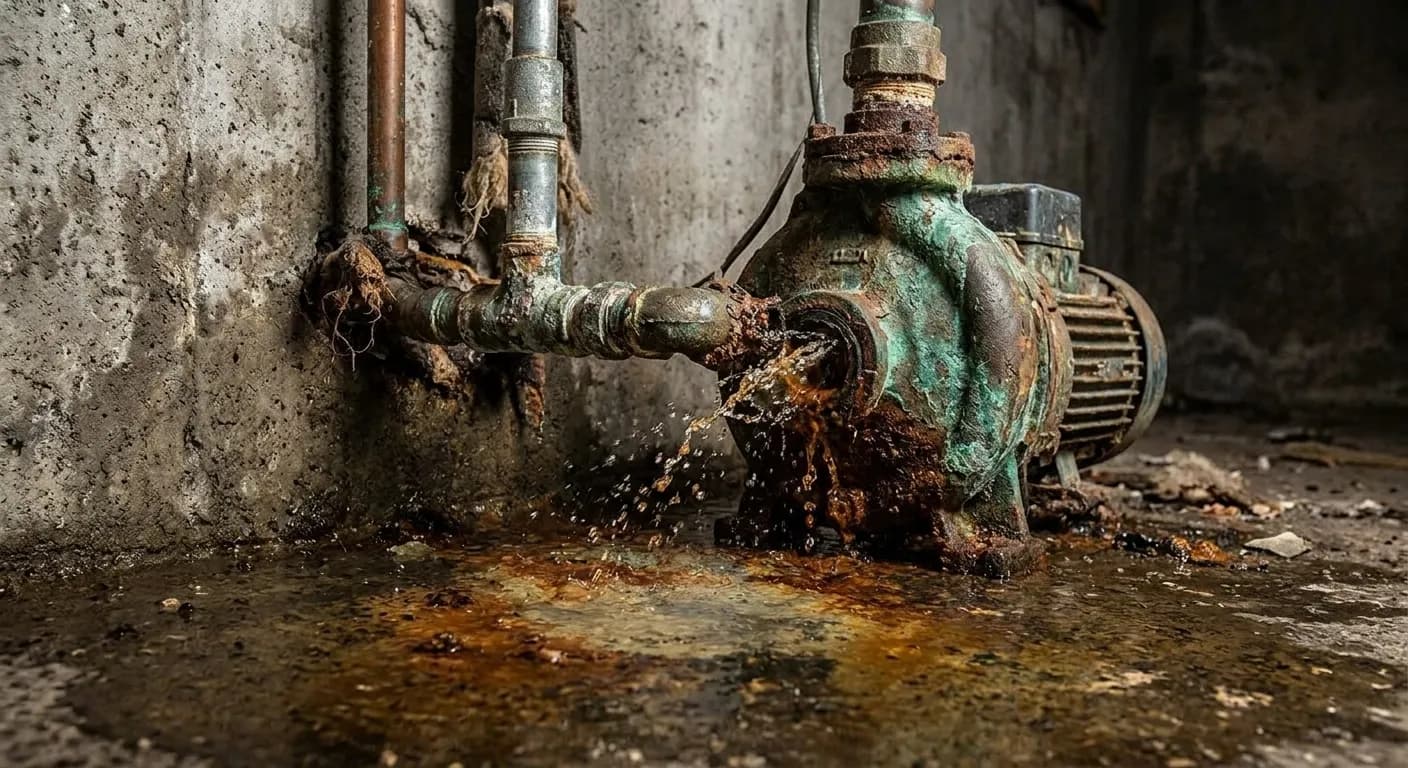
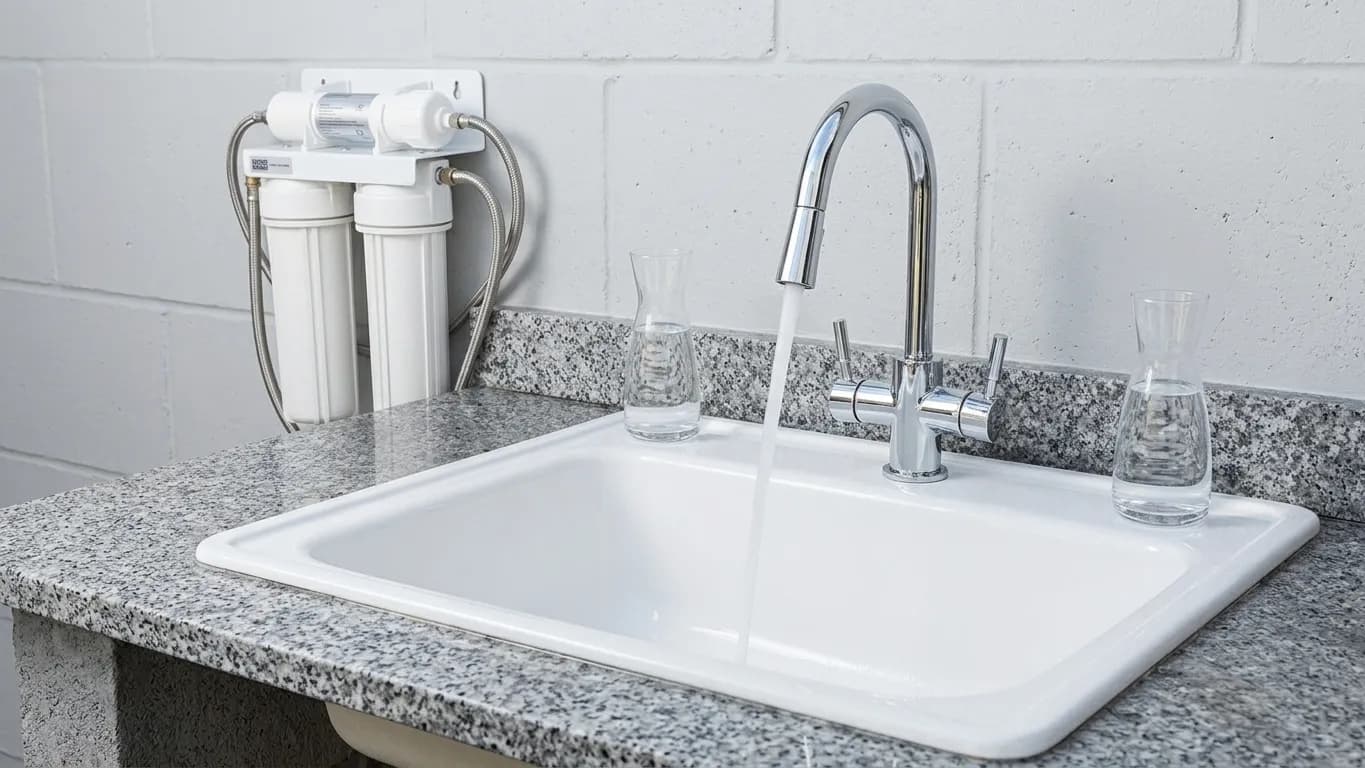
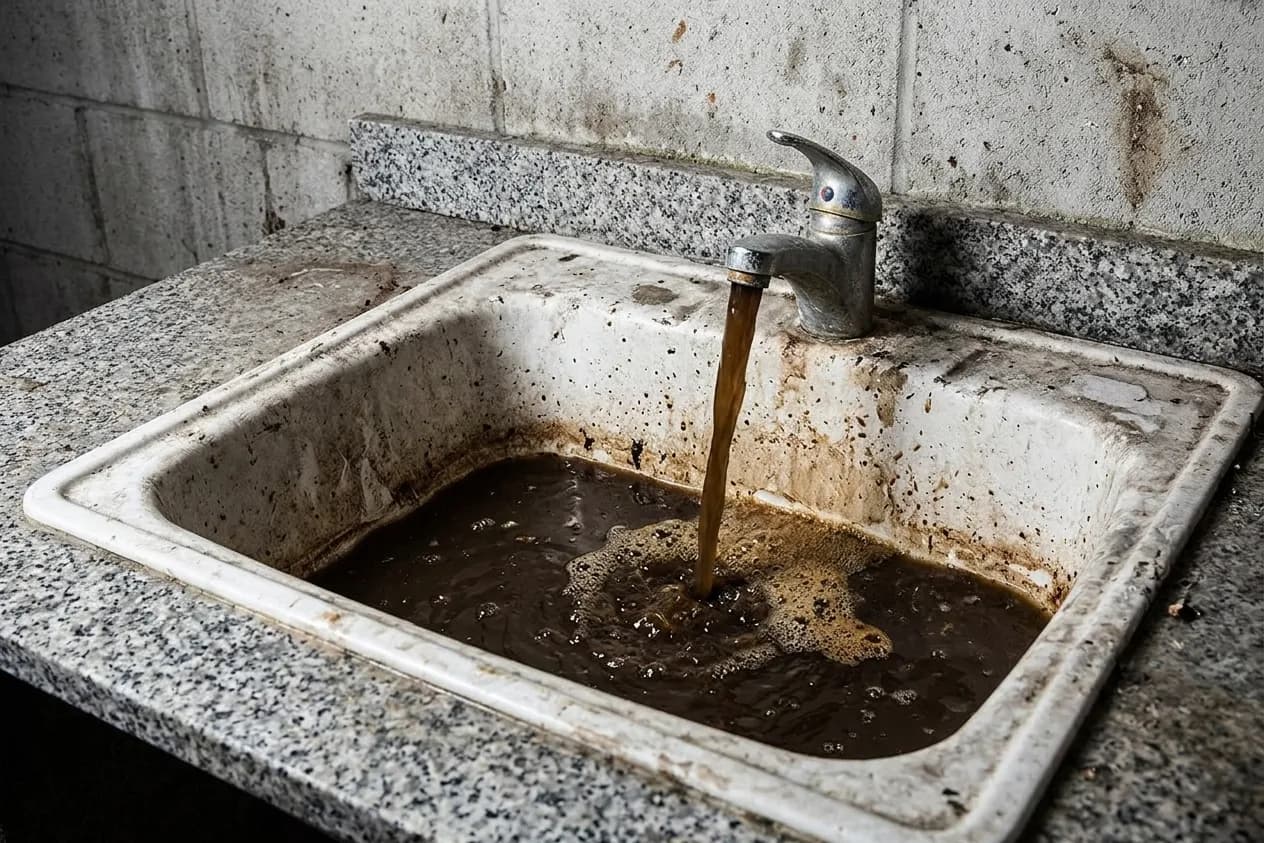
Water Pressure Pump Installation and Repair afterAfter
Water Pressure Pump Installation and Repair beforeBefore
Drag to compare
Water Pressure Pump Installation and Repair afterAfter
Water Pressure Pump Installation and Repair beforeBefore
Drag to compare
Water Pressure Pump Installation and Repair afterAfter
Water Pressure Pump Installation and Repair beforeBefore
Drag to compare
Why Choose Us
Why Customers Trust Us With Their Pumps
We combine hands-on plumbing skill with straightforward advice, so you only pay for what your home actually needs.
Honest Recommendations
<p>If a repair is enough, we will say so. We only suggest a new pump when it makes sense.</p>
Correct Pump Sizing
<p>We match the pump to your building, fixtures and usage, not just what is in stock.</p>
Clean Installation
<p>Neat pipework, proper valves and secure mounting for quiet running.</p>
Pressure Tested
<p>We measure results at the taps and shower so you can feel the improvement.</p>
Upfront Quotes
<p>A clear price before work begins with no hidden extras.</p>
Quick Response
<p>Fast scheduling when your water supply is affected.</p>
Why Customers Trust Us With Their Pumps
Trusted TeamQuality guaranteed
How It Works
Our Simple 4-Step Process
A straightforward route to better water pressure.
1
Step 01
Describe the Problem
Tell us about the pressure issue, your floor level and your current pump if you have one.
2
Step 02
Test & Diagnose
We check pressure, valves, filters, the pump and its controls to find the real cause.
3
Step 03
Repair or Install
We repair the faulty part or install a suitable pump with proper valves and fittings.
4
Step 04
Test & Handover
We confirm pressure at the taps, check for leaks and noise and explain how to care for the pump.
FAQ
Water Pressure Pump Questions, Answered
Answers to the real situations homeowners face with pumps and low pressure.
Not necessarily. A clogged shower head, a partly closed valve or a restricted mixer is often the cause. We test pressure at different points first. If supply pressure is genuinely low, a small booster pump can help, and we will recommend one only when it is needed.
This is called short cycling. Common causes are a waterlogged or faulty pressure tank, a worn pressure switch, a small leak somewhere in the line or a faulty non-return valve. Short cycling shortens pump life quickly, so it is worth fixing early. We test each component to find the culprit.
The pump may have lost its prime, drawn air, or the suction side may be blocked or leaking. A failed impeller or a closed valve can also cause this. Switch the pump off to avoid damage from dry running and call us for a proper diagnosis.
If the problem is a switch, seal or valve and the motor is still healthy, repair is usually cheaper. If the motor is overheating, the housing is corroded or repairs keep recurring, replacement is more cost-effective. We explain the options and costs so you can choose.
Some hum is normal, but grinding, rattling or loud vibration is not. It can point to worn bearings, air in the line, loose mounting or a pump working against a restriction. Ignoring it can lead to failure, so we recommend an inspection.
In shared building systems, pump setup matters. We recommend arrangements that suit your building and plumbing rules, such as using a storage tank where appropriate, and advise you if any approval or management consent may be needed before installation.
Pricing Guide
Water Pressure Pump Service Pricing
Cost depends on the pump type, brand and site conditions. We quote clearly before starting.
Job Type
Typical Scope
Pricing Basis
Pump diagnosis
Check pressure, switch, tank, valves and pump condition
Quoted upfront
Pump repair
Replace pressure switch, seals, check valve or fittings
 Licensed PlumbersSingapore-wide